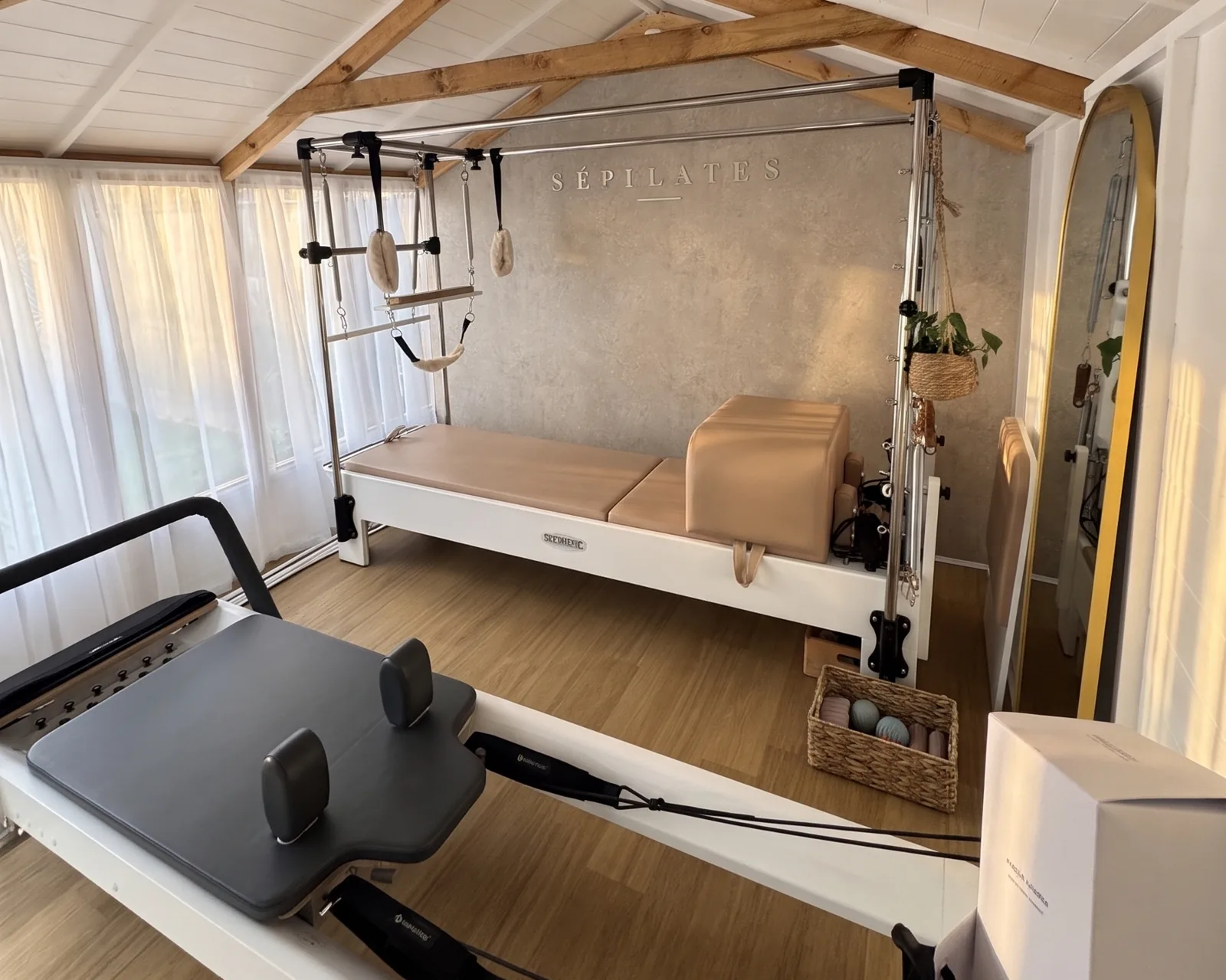
What is the difference between Pilates and the gym?
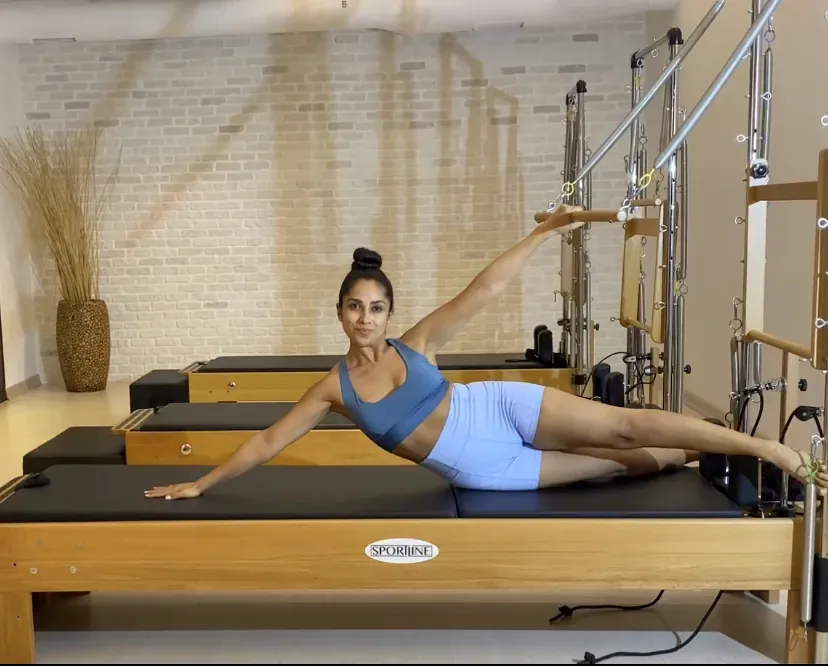
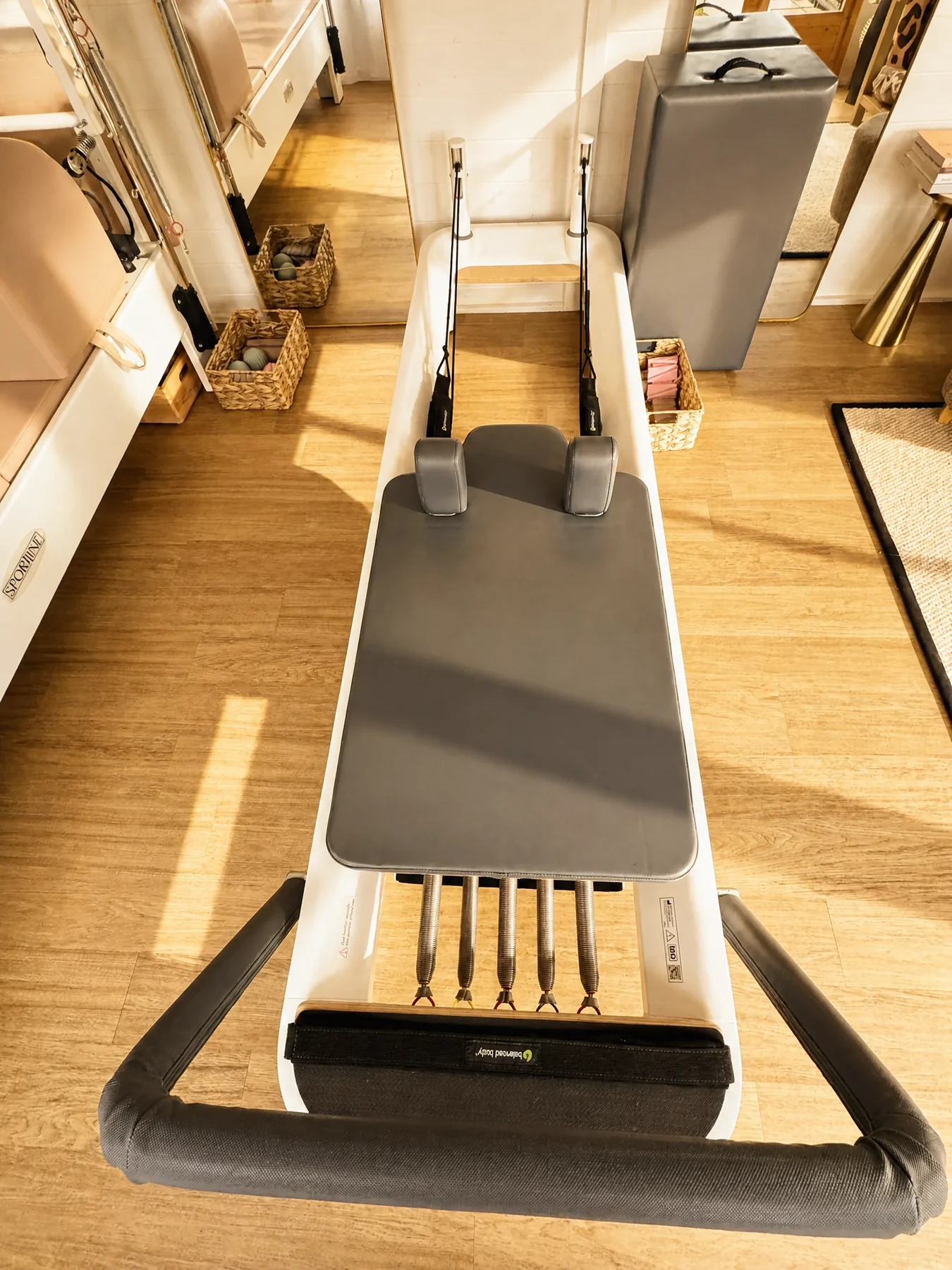
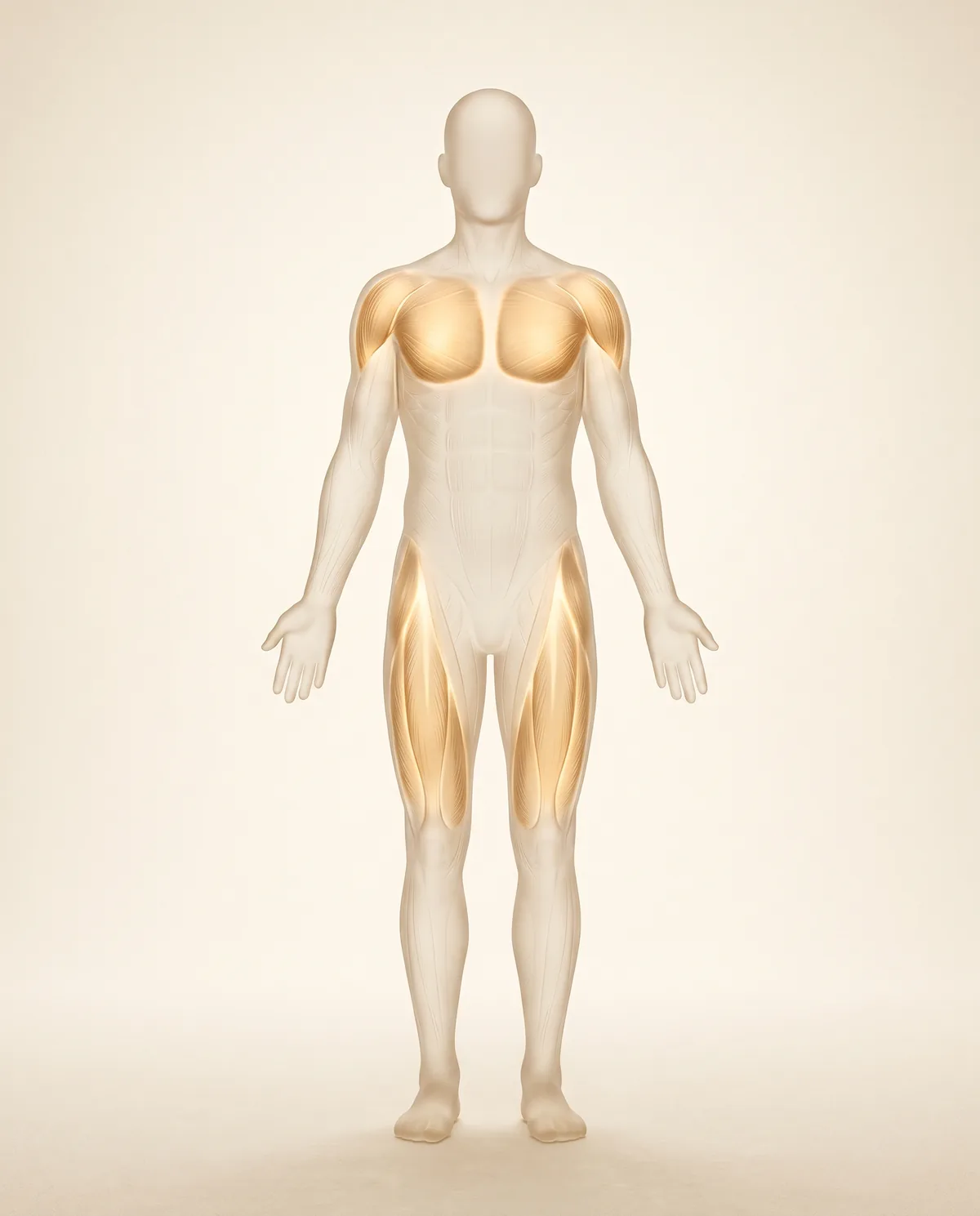
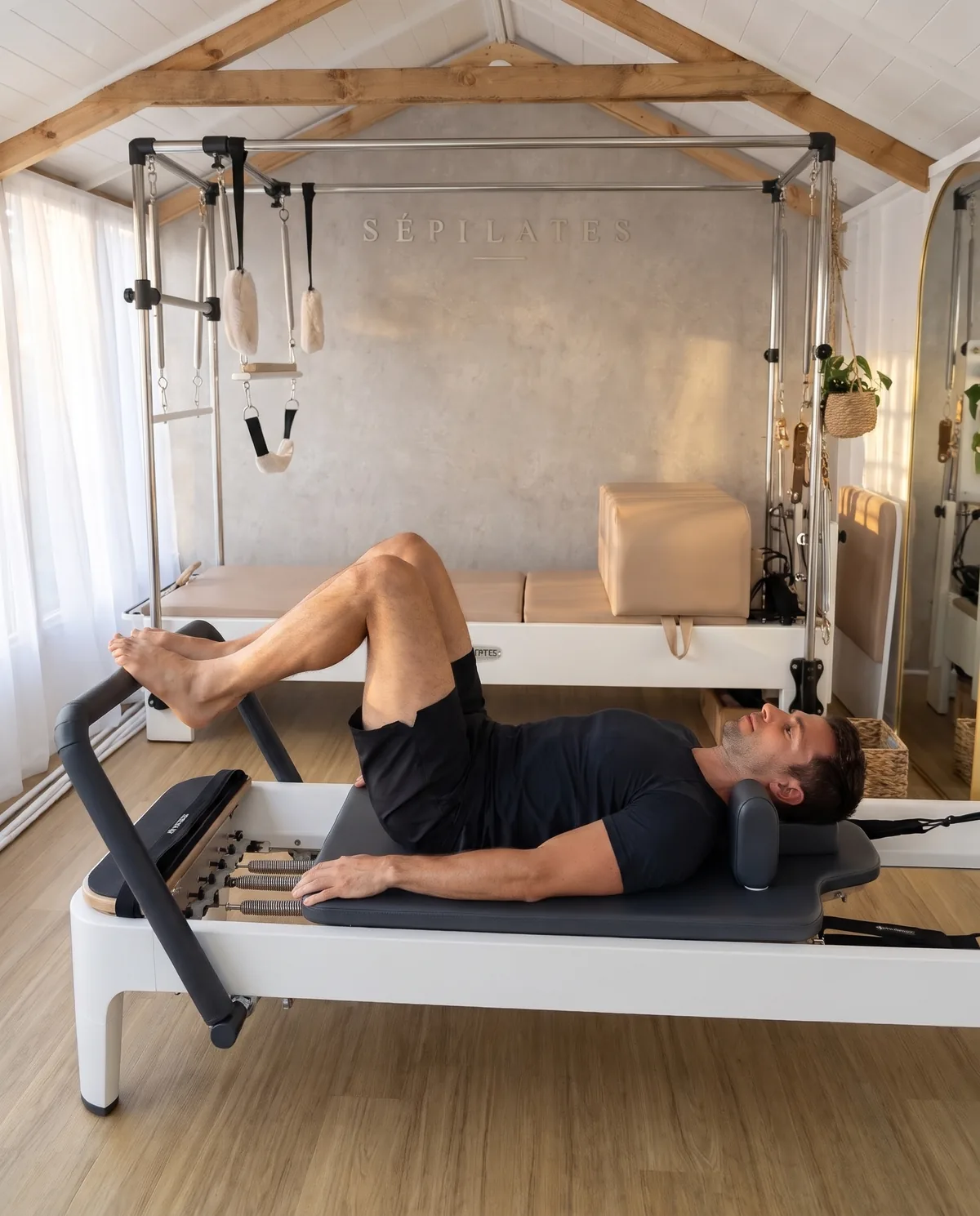
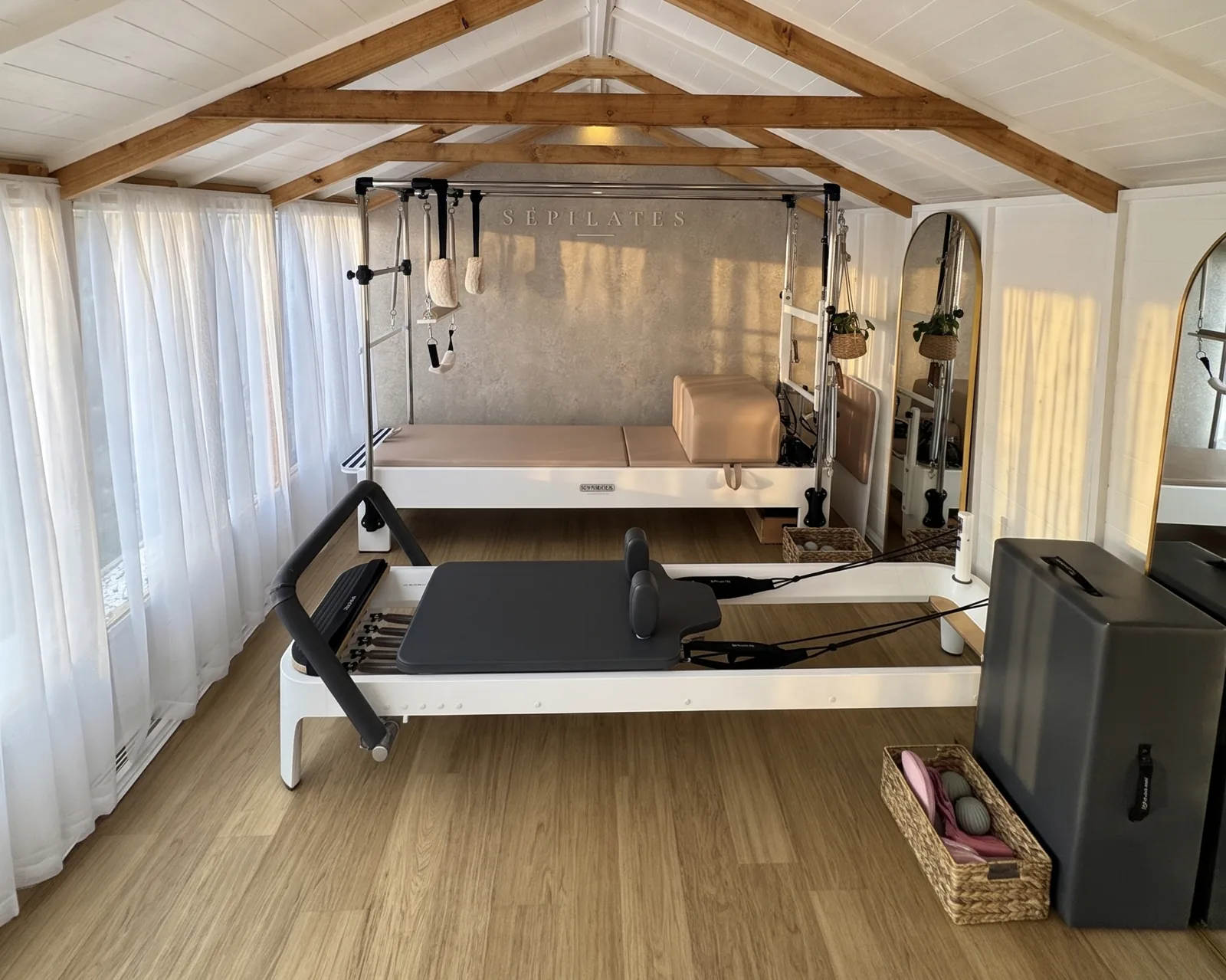
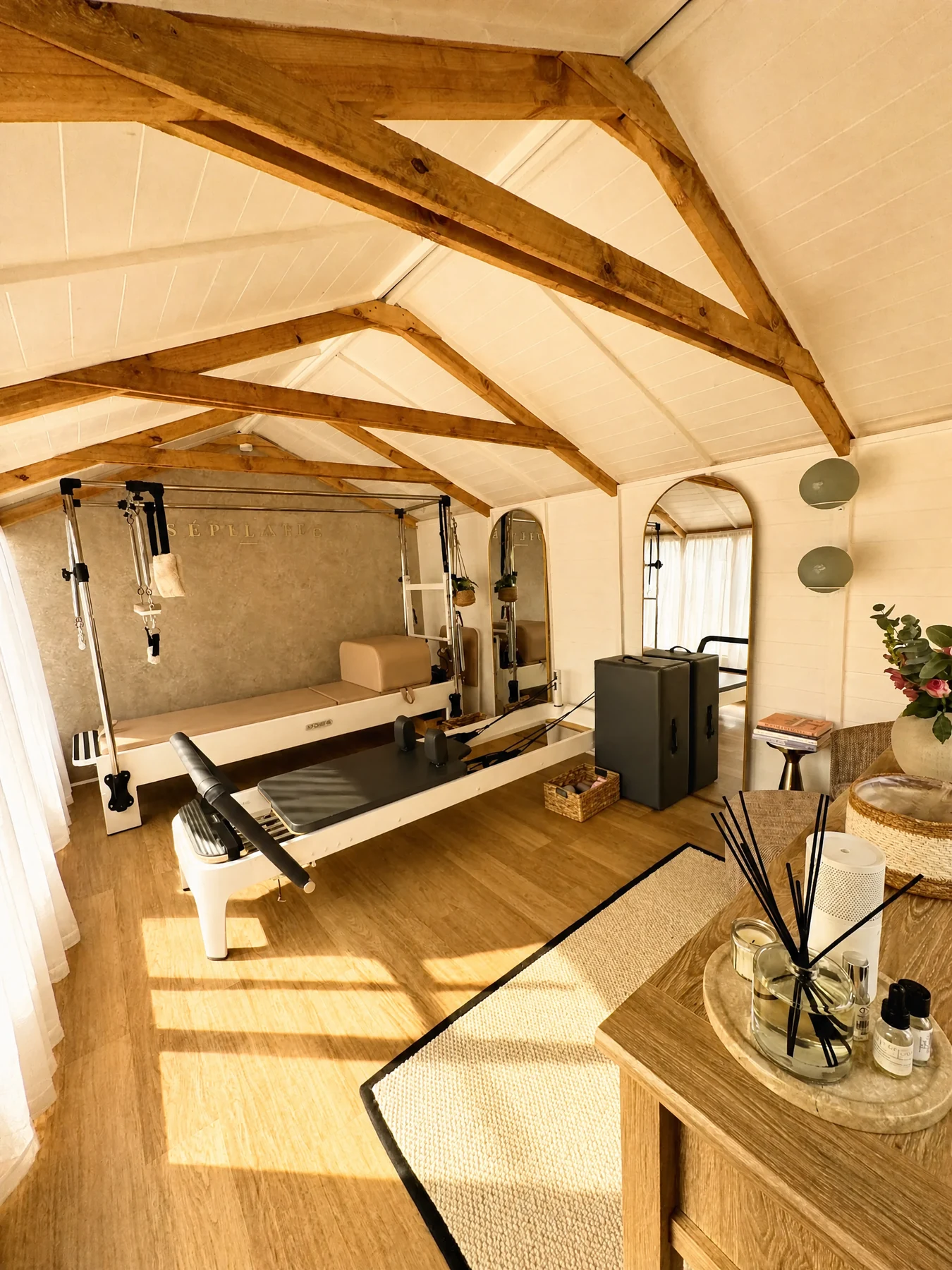
Gym training usually loads the big muscle groups, such as the thighs, buttocks, chest and back, with weights and machines. Pilates on the Reformer and the Cadillac asks for core stability, mobility, balance and body control, with springs that support you or add resistance. Pilates is a partner to your gym training, not a replacement for it.
Does research show that Pilates builds strength?
A 2022 systematic review of 11 randomised trials found no significant difference between Pilates and other exercise for strength, balance or flexibility, and rated the evidence very low to low certainty. A 2017 pilot trial found that 12 Reformer sessions increased lumbar extensor and scapular stabiliser strength in healthy young women. So Pilates builds strength and control about as well as other exercise, but the research does not show it beats lifting.
Was the Reformer made for injuries?
In part. The Pilates Method Alliance says Joseph Pilates shaped his thinking working with injured soldiers in the First World War, and that he invented an apparatus that could address injury and dysfunction as well as condition the body. His prototype eventually became the Universal Reformer.
Which muscles does Pilates work compared with the gym?
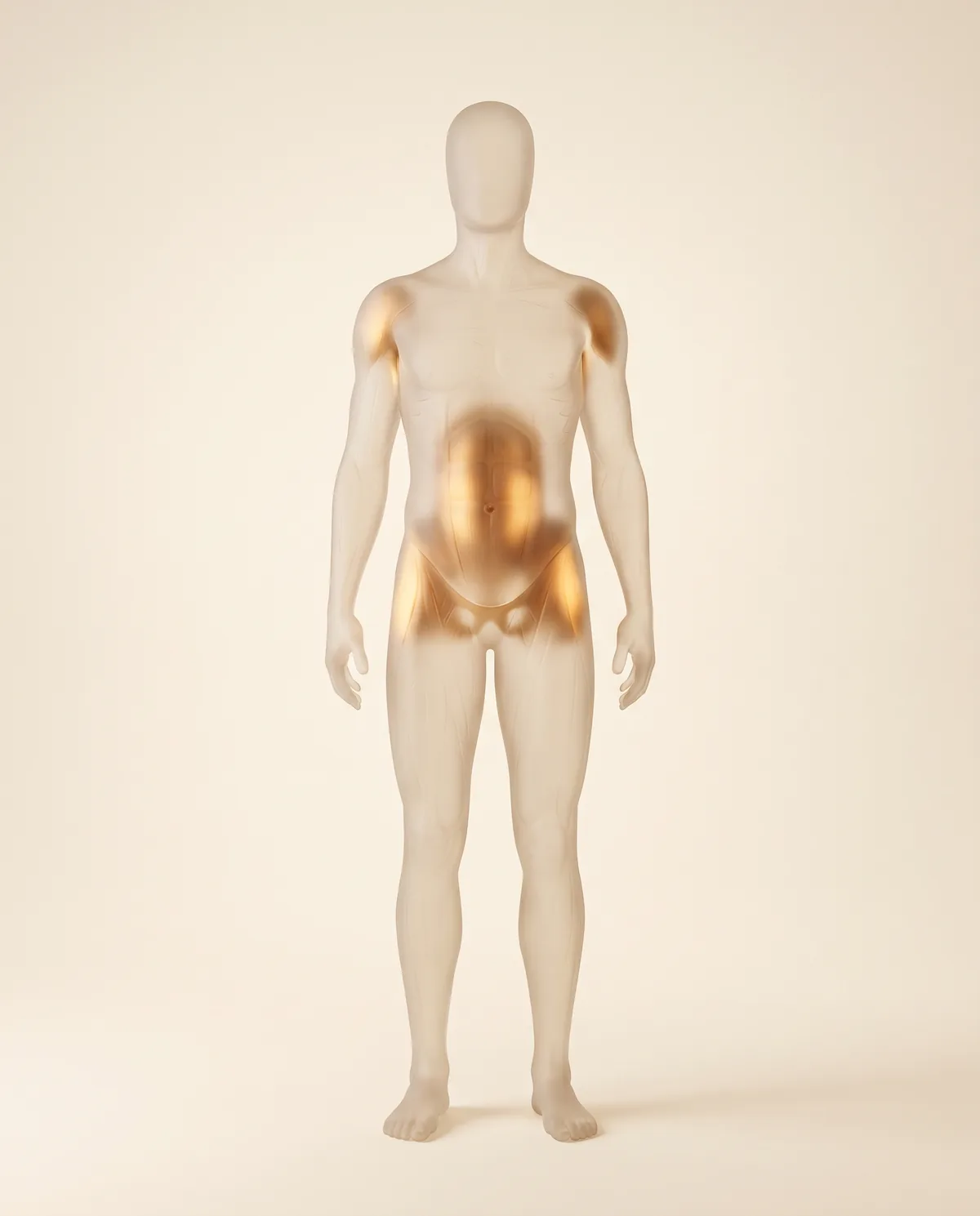
A Pilates session works the whole body, with the focus on the core, hips and shoulders and on how well you control your movement. In a 2015 ultrasound study, experienced Pilates instructors had thicker transversus abdominis muscles, a deep abdominal muscle, than resistance exercise instructors and controls. Gym training often focuses on the big muscle groups.
Can Pilates help knee pain from the gym?
Pilates is not medical treatment. The research on Pilates and the knee is mostly in people with knee osteoarthritis, where a 2025 review found it reduced pain compared with no intervention. The NHS advises seeing your GP if knee pain does not improve within a few weeks. Once you have been checked, Sepideh adapts every exercise to what your knee can do today.
Can Pilates help lower back pain from lifting?
A Cochrane review of 10 trials found Pilates reduced pain and disability compared with minimal intervention, though it was unclear whether it is better than other exercise. The NHS says activities like walking, swimming, yoga and pilates may also help ease back pain. Sepideh adapts every exercise to what your body can do today, with guidance from your GP or physiotherapist where needed.
Is Pilates for women and men who go to the gym?
Yes. Pilates suits anyone who trains, whatever your gender, age or experience. Sessions are private, planned around your goals and how you feel that day, and the NHS lists Pilates as a muscle strengthening activity for adults.
I train at a gym in Littlehampton, Worthing or another nearby town. Can I still come to Rustington?
Yes. The studio is a private home studio in Rustington, with free off-road parking on the driveway. The approximate drive is 5 minutes from Littlehampton, East Preston and Angmering, 9 from Ferring, 11 from Arundel and 15 from Worthing, so a session fits easily around a training day.
What is the Cadillac and Tower, and can gym-goers use it?
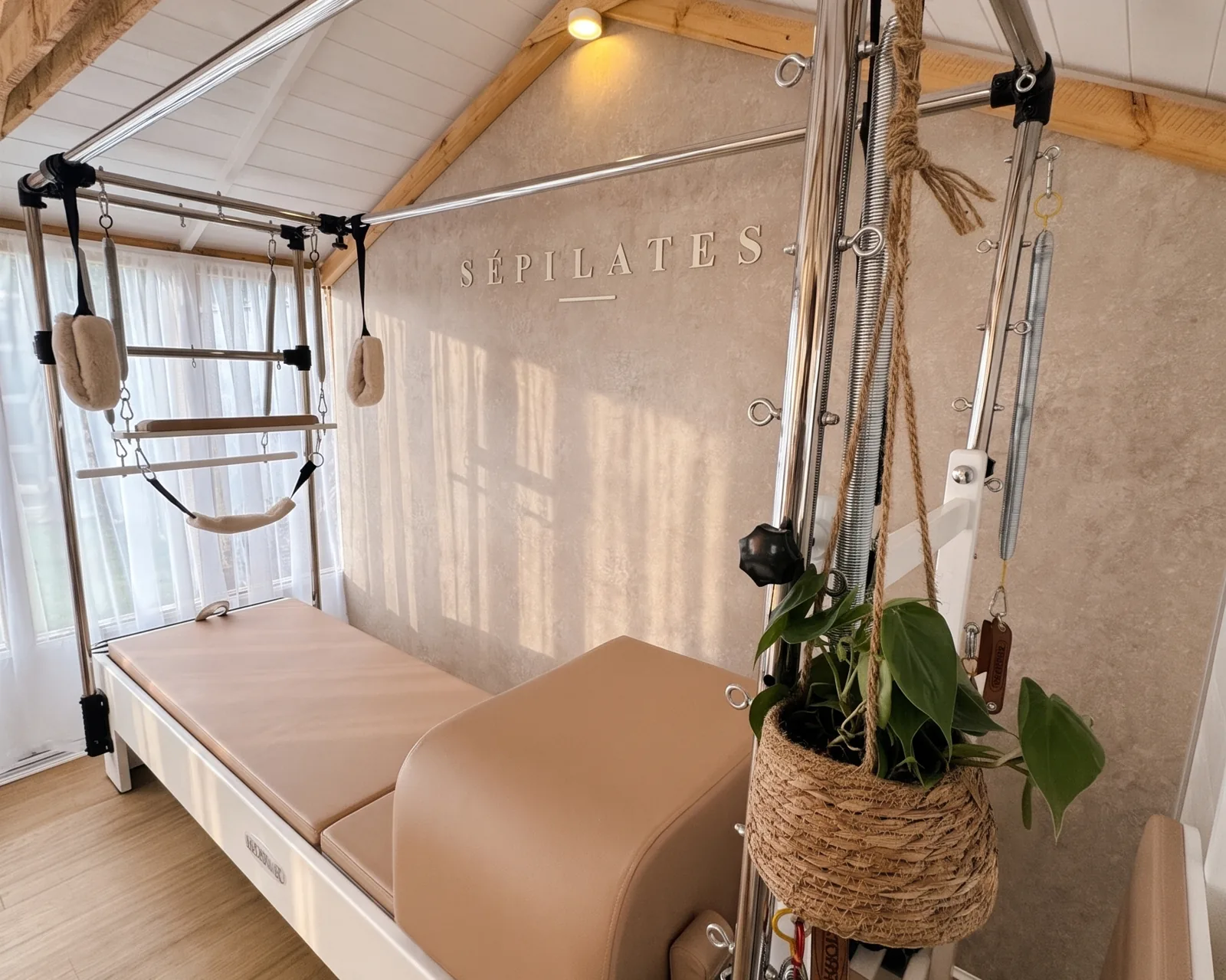
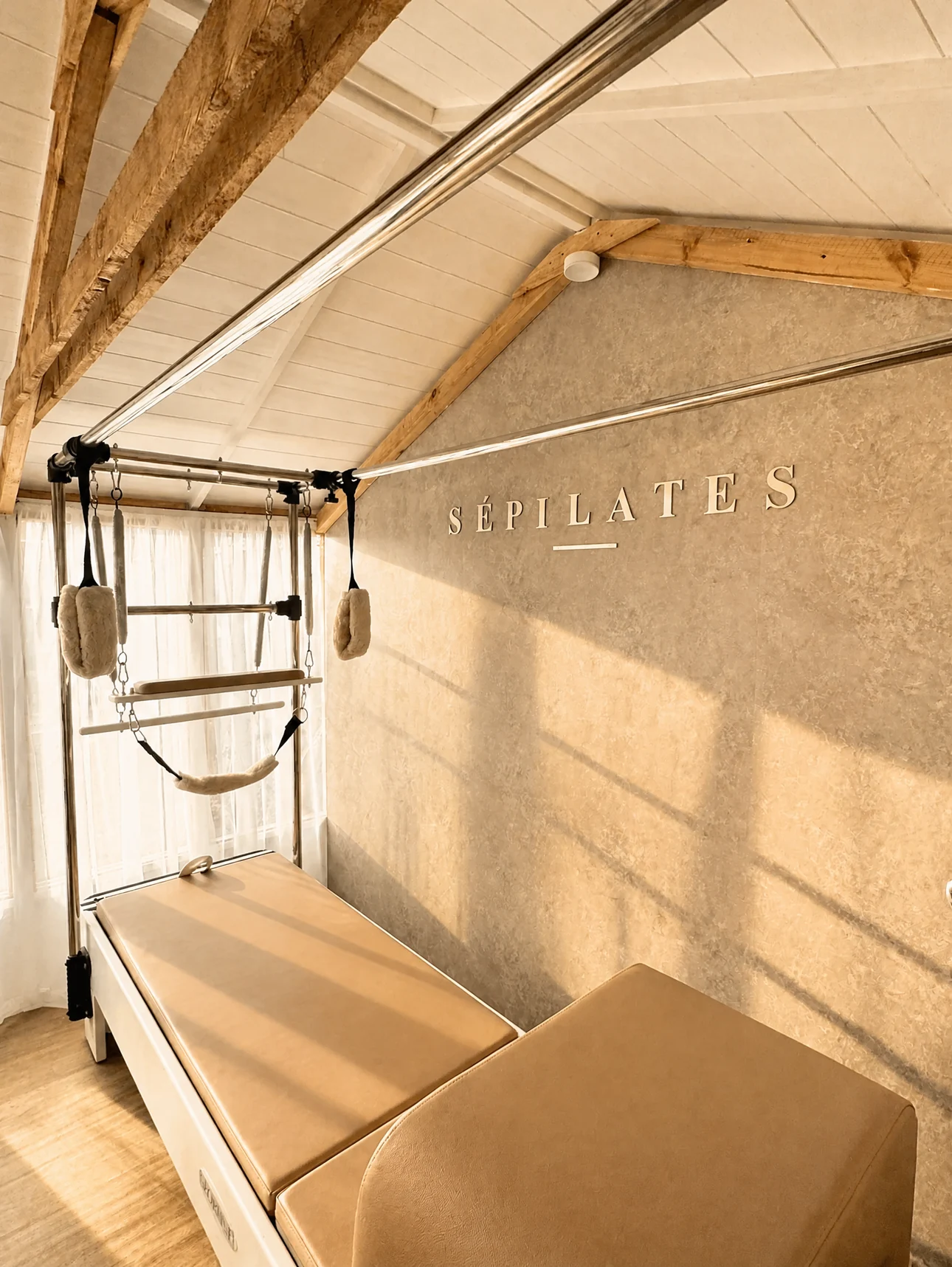
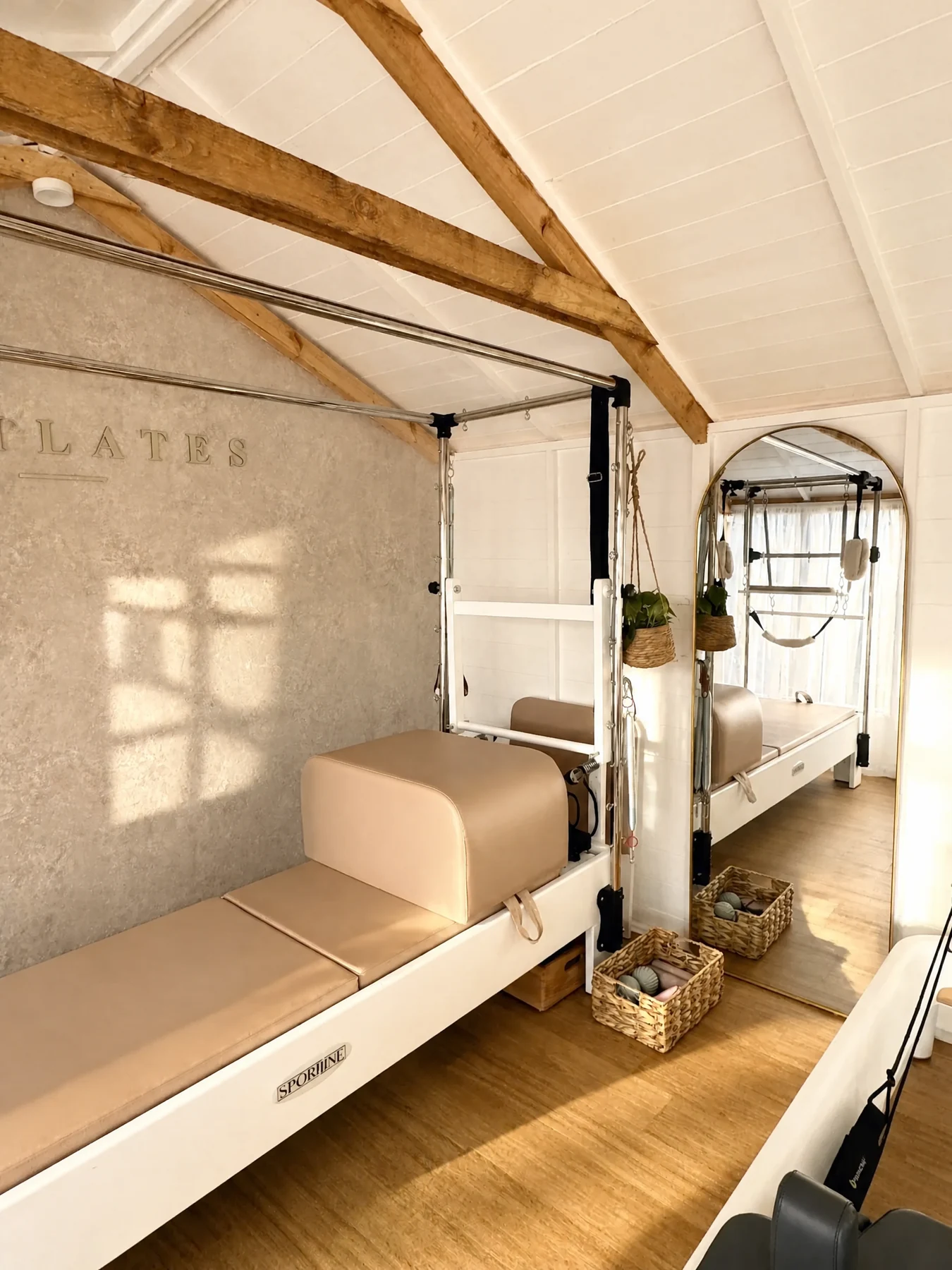
The Cadillac is a padded table inside a frame, with springs, bars and hanging straps, and Sépilates has one, so Tower style spring work is part of the sessions. Gym-goers can use it for assisted stretching and strength work, with the springs supporting you or adding resistance. It is combined with the Reformer and the Mat, chosen for your body and goals.
Can I bring my gym partner?
Yes. Duet 2:1 is a private session for two at £35 each. Each of you gets personal attention from Sepideh, and you do not need to be at the same level.
How much is Pilates in Rustington?
A Private 1:1 session is £55 for 50 minutes, a Duet 2:1 is £35 each, and your first session is £30 if you are a first-time client.
Should I speak to my GP first?
The NHS says to speak to your GP first if you have not exercised for some time or have a medical condition. Every exercise is adapted to what your body can do today, with guidance from your GP or physiotherapist where needed.
What should I wear?
Wear comfortable clothes you can move in. Sessions are barefoot or in grip socks, and grip socks are available to buy at the studio.