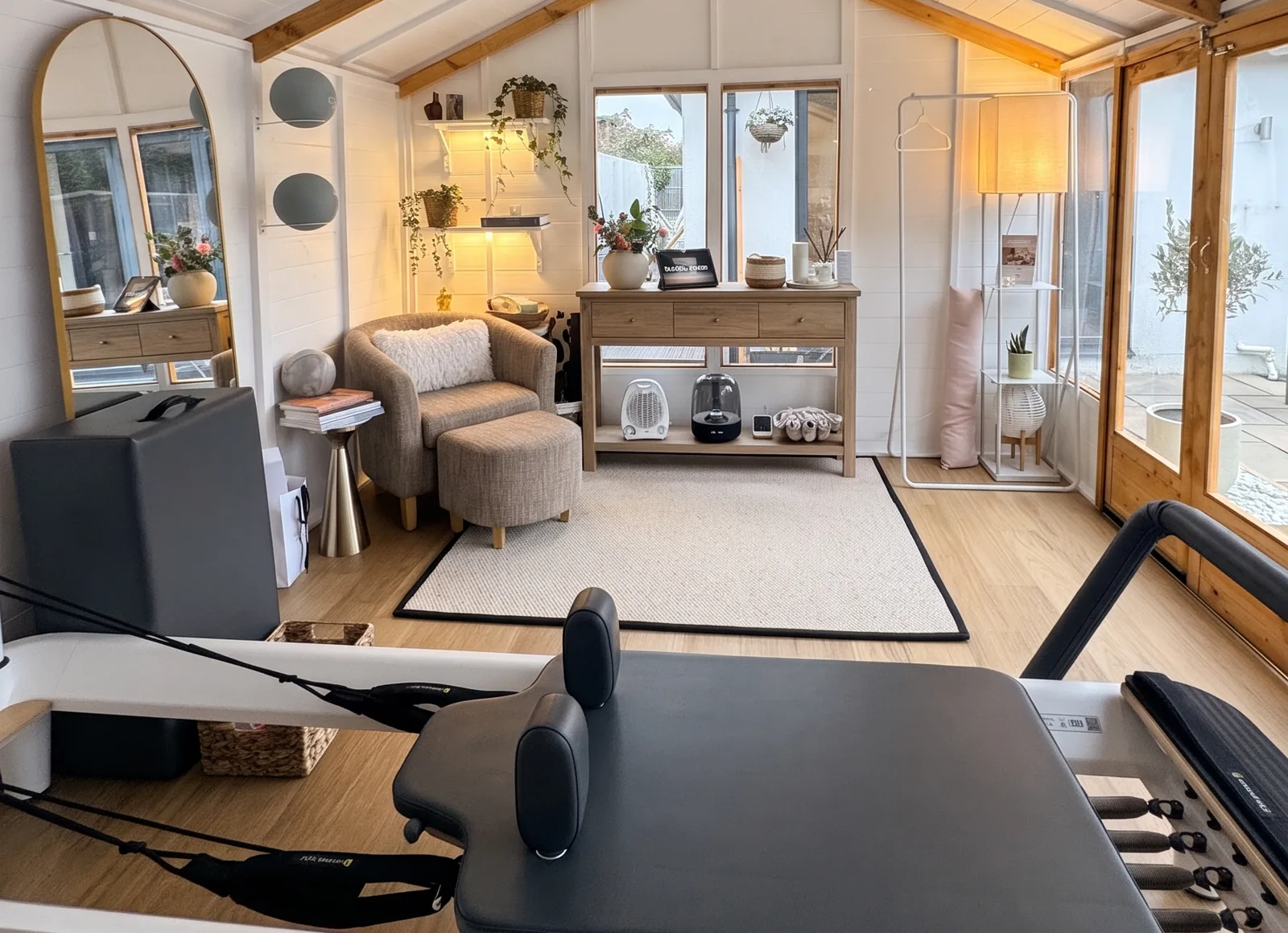
Pilates for osteoporosis and bone health in Rustington
Private, one to one Pilates in a calm studio, adapted to your body, with guidance from your GP or physiotherapist where needed.
About this session. Most people with osteoporosis can do Pilates and exercise safely, says the Royal Osteoporosis Society, with some moves adapted to protect the spine. Private Pilates at Sépilates is one to one and adapted to what your body can do today, with guidance from your GP or physiotherapist where needed. It is not a treatment for osteoporosis or osteopenia. Your first session is £30.
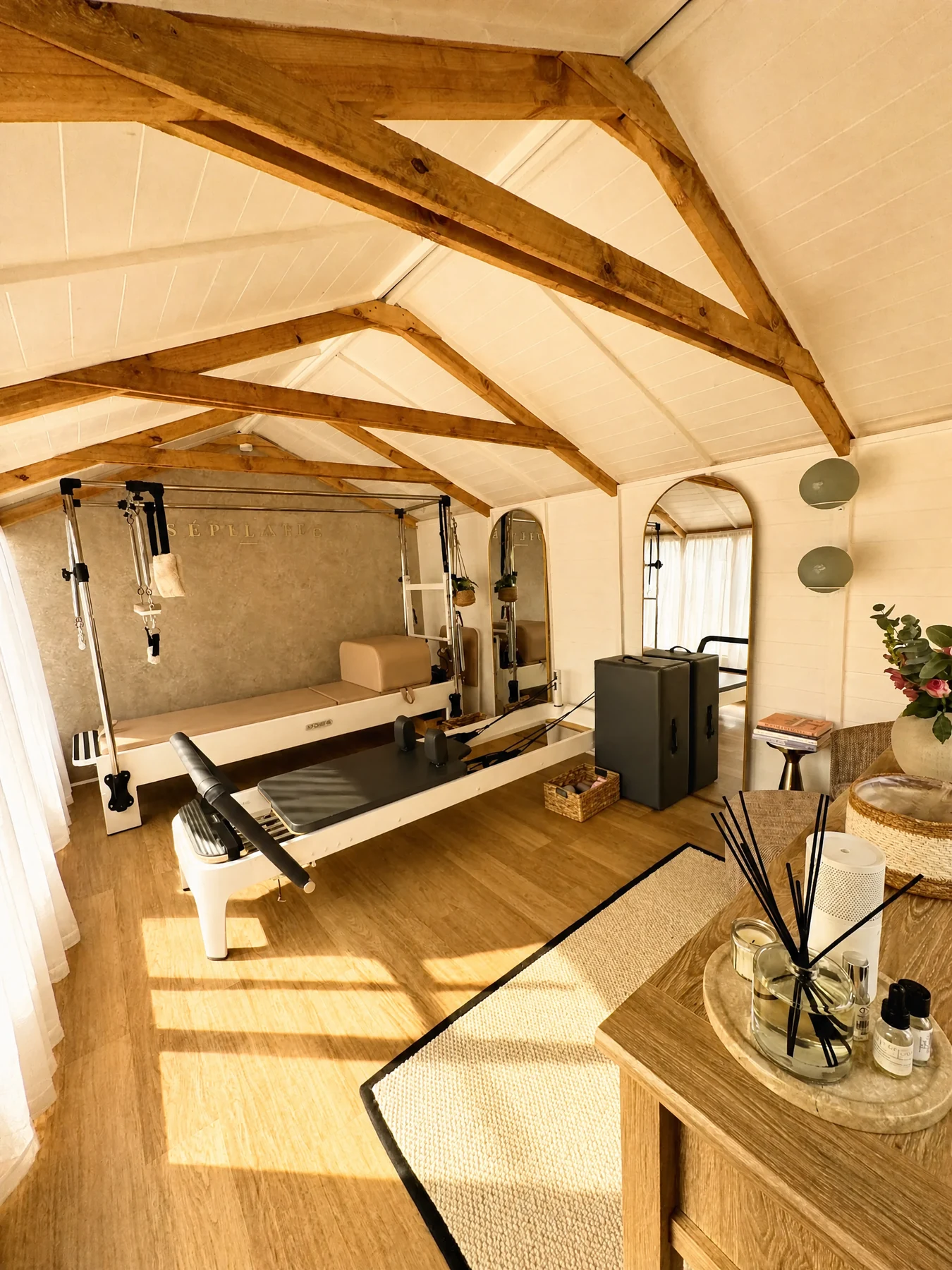
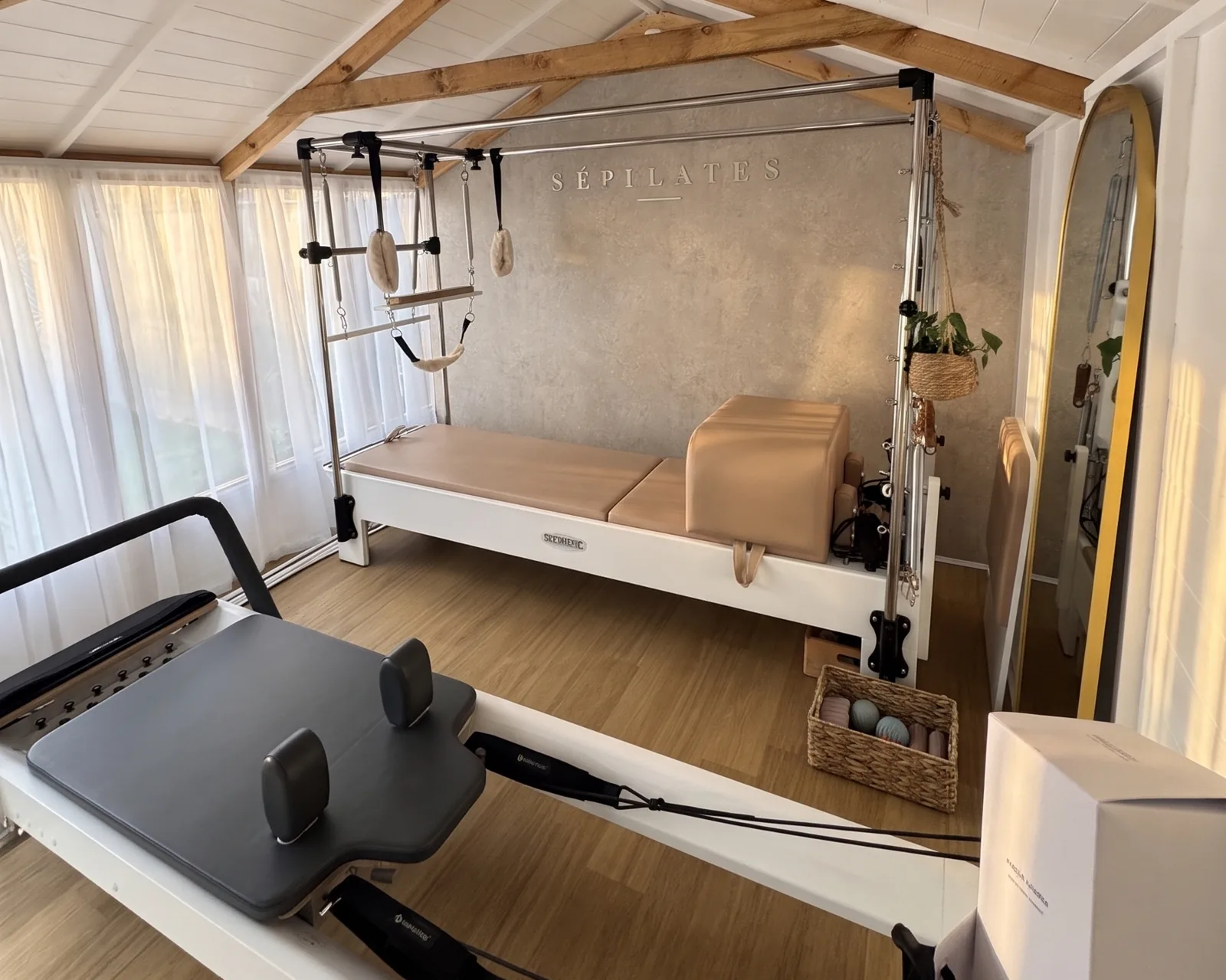
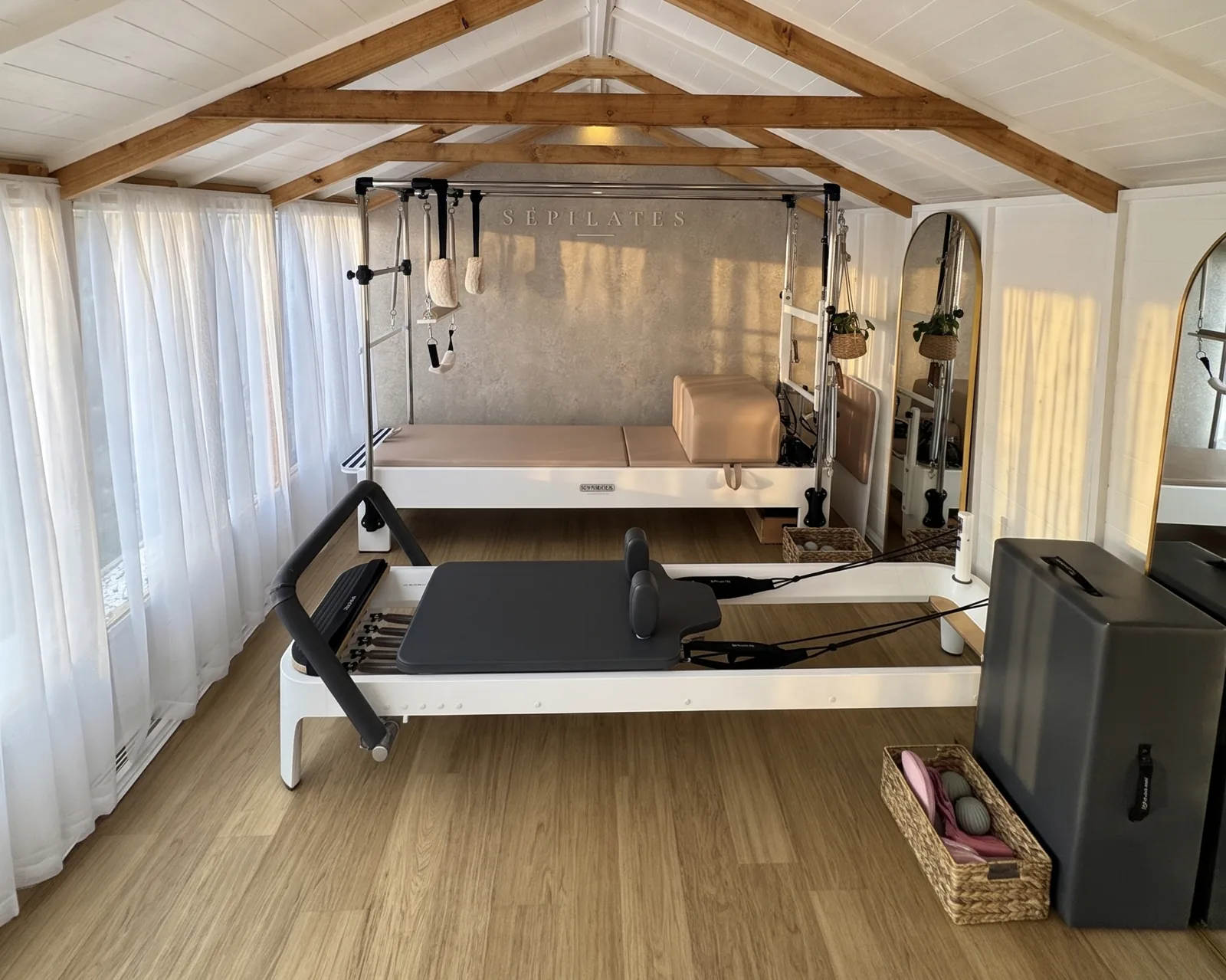
One session, all three. Your session can combine the Reformer, the Cadillac and the Mat, chosen for your body and taken at your pace.
- 2 or 3 daysA week of muscle strengthening, UK bone health consensus
- 50 minA private session at your pace
- 1:1Just you and Sepideh
- £30Your first session
What are you hoping to solve?
Most people with a bone health worry come with one of these on their mind. Here is what UK guidance says about each.
"I have just been told I have osteopenia."
The Royal Osteoporosis Society says osteopenia means your bone density is lower than the normal range for a young adult, and most people with it do not need an osteoporosis medicine. It recommends regular strength and impact exercise.
"I have osteoporosis and I am nervous about moving."
The UK expert consensus says people with osteoporosis should be encouraged to do more rather than less. Every session is private, so Sepideh watches every movement and adapts each exercise to what your body can do today.
"I was told to stop doing sit-ups and toe touches."
Guidance says moves that bend your back forward a long way, again and again, or with added weight, should be changed or avoided. Tell Sepideh what your doctor or physiotherapist has told you when you book.
"I am worried about my posture."
The consensus recommends exercises that strengthen the muscles in your back, to improve posture and support the spine. If your spine has become curved or your posture hunched, the NHS says to see a GP.
"I feel less steady on my feet."
The consensus recommends balance and muscle strength exercise, including Pilates, at least twice a week to reduce the risk of falls. If you have had a fall, see your GP, and tell Sepideh before your first session.
"I am past menopause and want to look after my bones."
The NHS says osteoporosis is most common in older adults and in women after the menopause. See Pilates for menopause and perimenopause.
Is Pilates safe if you have osteoporosis?
For most people, yes. The Royal Osteoporosis Society says most people with osteoporosis can do Pilates and exercise safely, choosing the exercises and level that are right for them.
- Talk to your doctor or physiotherapist first if you have had spinal fractures or many broken bones
- Do the same if you are recovering from a broken bone, or have questions about your own situation
- Stop if you feel any pain, dizziness, chest tightness or severe shortness of breath while exercising
- Tell Sepideh about your diagnosis, any fractures or falls, your medication and any medical advice when you book
The UK expert consensus found little evidence that physical activity causes significant harm, and says the benefits generally outweigh the risks. Source: Royal Osteoporosis Society, exercising safely.
What exercise does UK guidance recommend for osteoporosis?
A 2022 UK expert consensus statement, Strong, Steady and Straight, sums it up in three words. It names Pilates among the activities for muscle strength and balance, with care around bending forward.
- Strong. Muscle strengthening on 2 or 3 days a week, and impact exercise on most days, at a level that suits you.
- Steady. Balance and muscle strength exercise, such as Tai Chi, dance, yoga or Pilates, at least twice a week to reduce the risk of falls.
- Straight. Exercises that strengthen the back muscles to improve posture, and care with bending forward.
Which Pilates moves should you avoid with osteoporosis?
Take care with moves that bend you forward and curve your back, and with twisting. The Royal Osteoporosis Society says these may raise the chance of a spinal fracture, especially when they are repeated, sudden, uncontrolled or done with added weight.
- Sit-ups, touching your toes, and the roll-down and curl-up in Pilates can put pressure on the spine
- The UK consensus says moves with sustained, repeated or end-range forward bending should be modified or avoided
- It says twisting should be safe if it is done smoothly and comfortably
- Bend forward from your hips with a straight back, sometimes called a hip hinge
- Move slowly, and only bend as far as feels comfortable
The Society lists Pilates exercises that may need adapting, such as the Hundreds, the Saw and the Rollover, with alternatives you can show your instructor. Source: Royal Osteoporosis Society, Pilates and osteoporosis.
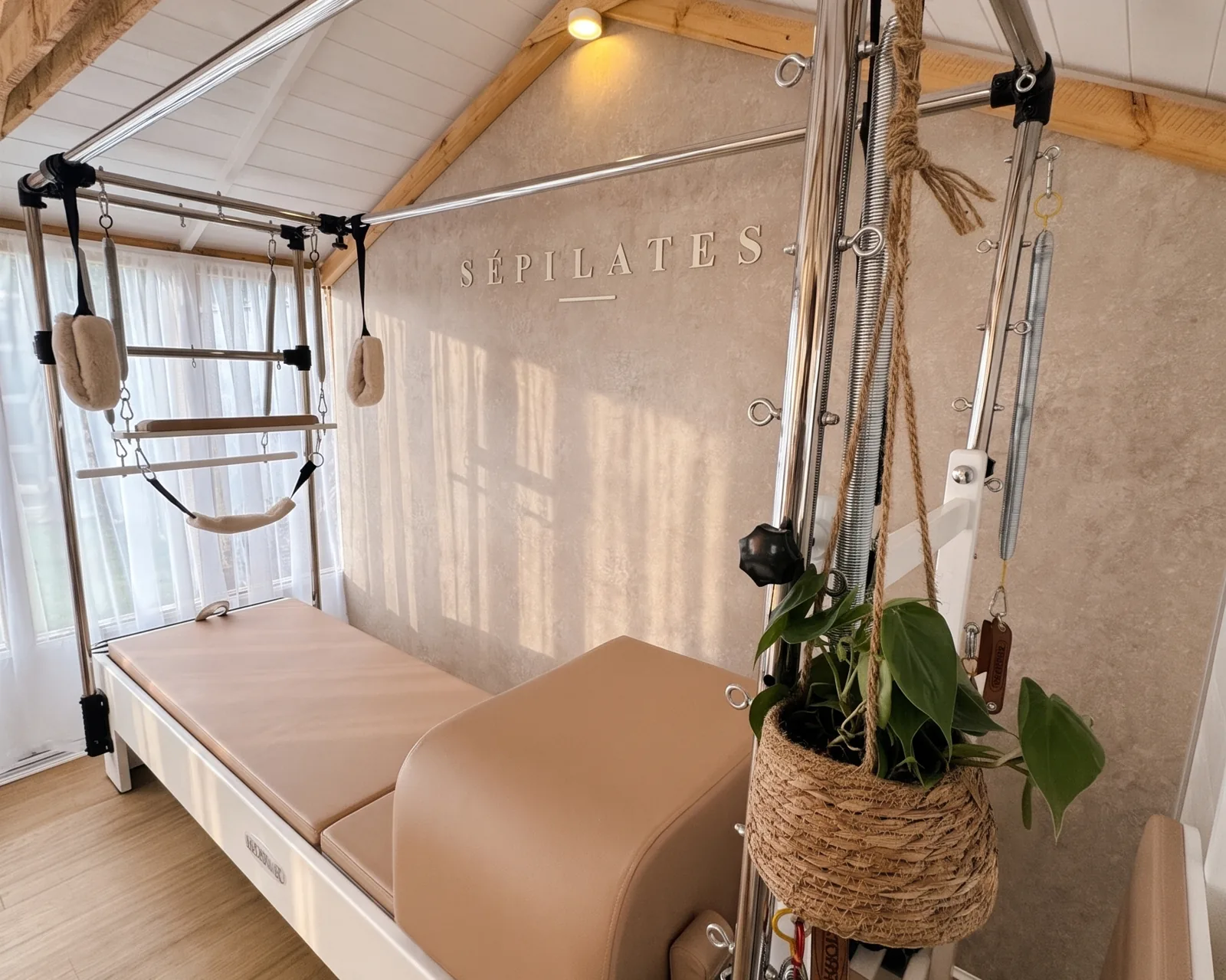
Is Reformer Pilates good for osteopenia and osteoporosis?
It can be one part of your exercise week. The Royal Osteoporosis Society says Pilates may help muscle strength, posture and balance, but it is not yet known for certain whether it strengthens bones.
- On the Reformer, the springs add resistance to make muscles work, or support to make a movement easier
- The UK consensus recommends muscle strengthening on 2 or 3 days a week to maintain bone strength
- Strength work should build up gradually, based on your fitness and muscle strength
- For osteopenia, the Society recommends regular impact and strength exercise
A mix of strength and impact exercise is the best way to keep bones strong, says the Society, so keep walking or other impact activity in your week too. Read more about Reformer Pilates.
What if I have had a spinal fracture or a fall?
Talk to your doctor or physiotherapist before you start. For people with spinal fractures or many broken bones, guidance recommends individual advice from a physiotherapist, and impact no higher than brisk walking.
- Signs of a spinal fracture can include back pain, height loss or a curved back, but not all spinal fractures cause pain
- See a GP if your spine becomes curved or your posture becomes hunched
- Ask for an urgent GP appointment or use NHS 111 if you have had a fall or injury and the pain is not getting better
- Call 999 or go to A&E if you have severe pain after a fall or injury
Pilates does not replace that help. Tell Sepideh about any fractures or falls before your first session. Sources: NHS, osteoporosis; Royal Osteoporosis Society.
How do I start Pilates with osteoporosis or osteopenia?
Start with a £30 first session. Tell Sepideh about your bones when you book, and bring any advice from your GP or physiotherapist.
- 1step
Book your £30 first session
A full private session for first-time clients, one per person, booked online. Want to talk it through first? Email [email protected] or send a WhatsApp message. Messages only, no calls.
- 2step
Fill in your health questionnaire
You complete a health questionnaire when you book. Tell Sepideh about your diagnosis or scan result, any fractures or falls, your medication and any medical advice.
- 3step
Bring your GP or physio advice
If your GP, consultant or physiotherapist has given you exercise advice, bring it with you, so your session can be planned with it in mind.
- 4step
Your 50-minute session
Every exercise is chosen for your body and how you feel that day, and there is no class to keep up with. Your address and arrival details are sent once you book.
Who will teach me?
Sepideh has over 10 years of experience teaching classical and contemporary Pilates internationally.
- Certified in Mat, Reformer, Cadillac and Chair Pilates, Levels 1 to 3
- Specialist training in pre and postnatal Pilates, on the Mat and Reformer
- Public Liability Insured
- Teaches in English, Turkish and Persian
How much does Pilates for osteoporosis cost?
Every session is 50 minutes.
- Your first sessionA full private session for first-time clients, one per person£30
- Single sessionPrivate Pilates 1:1, pay as you go£55
- Starter Bundle3 sessions, £45 each, for new clients, used within 6 weeks£135
Class Packs and Memberships make regular sessions simple. See every price and book.
Where is the studio?
Sépilates is a private studio in a residential home in Rustington, West Sussex, and a short drive from Littlehampton, East Preston, Angmering, Ferring, Arundel and Worthing.
- Sessions Monday to Friday, by appointment
- Free off-road parking on the driveway
- Full address and arrival details sent when you book
- RustingtonThe studio is hereYou are in town
- Littlehampton1.7 miles5 min
- East Preston1.7 miles5 min
- Angmering2.2 miles5 min
- Ferring4.2 miles9 min
- Arundel5.1 miles11 min
- Worthing7.8 miles15 min
Approximate drive from the centre of each town to Rustington village, without traffic, from OpenStreetMap routing. Angmering station is signed for Rustington and East Preston. Free off-road parking is on the driveway, and your full arrival details are sent when you book.
Sources and research
Royal Osteoporosis Society: Pilates and osteoporosis; Royal Osteoporosis Society: How to exercise safely for bones; Royal Osteoporosis Society: Exercise for bones; Royal Osteoporosis Society: Strength exercise; Royal Osteoporosis Society: What is osteopenia?; Brooke-Wavell K and others: Strong, steady and straight, UK consensus statement on physical activity and exercise for osteoporosis, British Journal of Sports Medicine, 2022; NHS: Osteoporosis. Checked on 23 November 2026. This page is general information and does not replace advice from your GP, consultant or physiotherapist.
More about private Pilates in Rustington
Osteoporosis and bone health: your questions
Is Pilates safe if I have osteoporosis?
For most people, yes. The Royal Osteoporosis Society says most people with osteoporosis can do Pilates and exercise safely, with some moves adapted to protect the spine. Talk to your doctor or physiotherapist first if you have had spinal fractures or many broken bones, or are recovering from a broken bone.
Which Pilates moves should I avoid with osteoporosis?
Take care with moves that bend you forward and curve your back, and with twisting, especially if they are repeated, sudden or done with added weight. The Royal Osteoporosis Society says sit-ups, touching your toes, and the roll-down and curl-up in Pilates can put pressure on the spine. It suggests bending forward from your hips with a straight back instead.
Is Reformer Pilates good for osteopenia?
It can be one part of your exercise week. The Royal Osteoporosis Society recommends regular strength and impact exercise for osteopenia, and on the Reformer the springs add resistance to make muscles work. It also says it is not yet known for certain whether Pilates strengthens bones, so keep walking or other impact exercise in your week too.
Can Pilates reverse osteoporosis?
No. Pilates is not a treatment for osteoporosis, and the Royal Osteoporosis Society says exercise is not a replacement for an osteoporosis medicine. The Society says Pilates may help improve muscle strength, posture and balance, alongside the treatment your doctor recommends.
How often should I do Pilates for bone health?
The UK consensus recommends muscle strengthening on 2 or 3 days a week, and balance and strength exercise, such as Pilates, at least twice a week. It also recommends impact exercise on most days, at a level that suits you. Sepideh can advise you after your first session.
Is this clinical Pilates or physiotherapy?
No. Sépilates is a private Pilates studio, and sessions are not medical treatment. Sessions are adapted to what your body can do today, with guidance from your GP or physiotherapist where needed.
How much does it cost?
A Private 1:1 session is £55 for 50 minutes, and your first session is £30 if you are a first-time client. The Starter Bundle is 3 private sessions for £135, for new clients, used within 6 weeks.
Find a time that suits you.
Loading the latest free times…
Times are UK time and update live. Tap a time to book it.
Need a little help with your booking?
Our online booking system is the easiest way to secure your session. However, if you need assistance or prefer a little guidance, please feel free to get in touch and we’ll be happy to help.
Booking takes a few minutes. The health questions help Sepideh plan a safe session for you.
Each appointment is a 60-minute slot with 50 minutes of Pilates. Need a time that is not shown? Additional times may be available on request: email [email protected] or send a WhatsApp message. Calendar not loading? Open it in a new window.
- [email protected]The best way to reach Sepideh, and every message stays on record
- Send a messageMessages only, no calls
- Studio
- Rustington, West SussexA private home. Your address and arrival details are sent once you book.
- Sessions
- 50 minutes, by appointmentPrivate 1:1, Duet 2:1, pre and postnatal